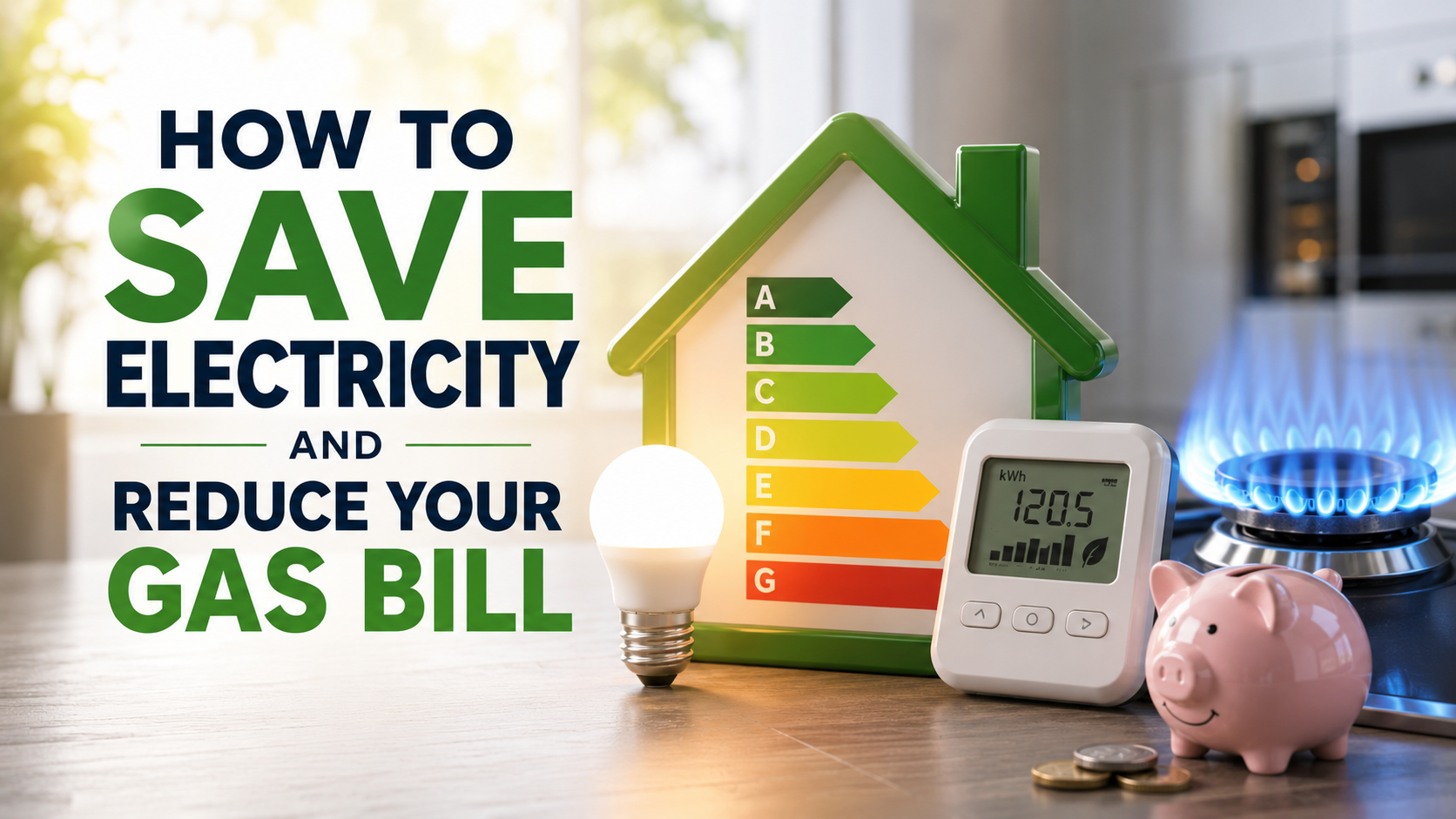
How to Save Electricity and Reduce Your Gas Bill
Aug 24, 2026 by Mr Handy Team
If you've been searching for ways to save on electricity or wondering how to save on utilities without turning your home into an uncomfortable box, you're not alone. Rising energy prices have made how to reduce electricity bill as one of the most common questions Australian households ask and the good news is, most of the answer comes down to a handful of predictable, fixable habits and appliance maintenance with the help of trusted handyman services like Mr Handy Platform.
Where You’re Bill Actually Comes From
Before jumping into tips, it helps to know what's driving the cost. Heating and cooling typically account for around 40% of household energy use, making it the single biggest category on most bills. Hot water is usually the second-largest use, often making up 15–27% of total household energy, in some homes particularly in Perth, seeing water heating alone eat up nearly a third of their bill. Refrigeration, standby power, lighting, and laundry make up smaller but still meaningful shares. Understanding this breakdown is the real starting point for anyone serious about learning how to save electricity long-term, rather than chasing small wins that barely move the needle. After finding your issue, get a quote and have it sorted out with our licensed and trusted technicians.
How to Reduce Electricity Bill: The High-Impact Fixes
1. Get smarter about heating and cooling
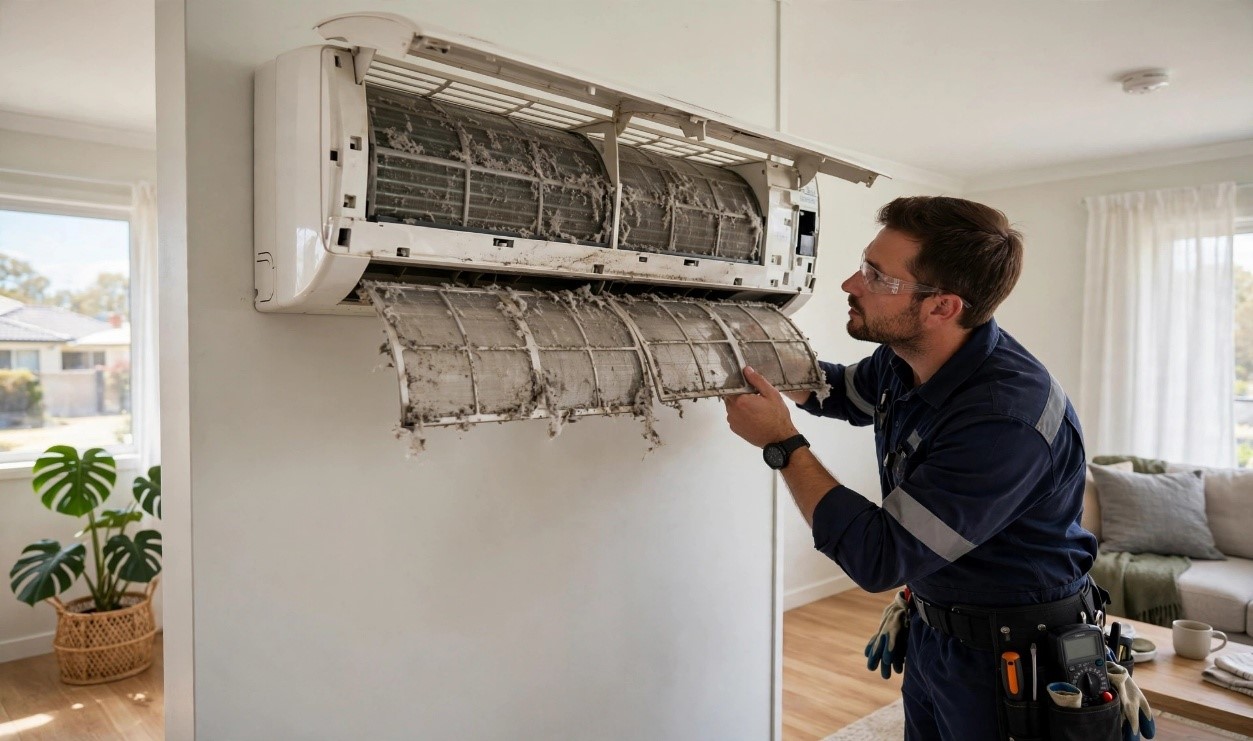
Every extra degree on your thermostat adds roughly 10% to your energy use, so setting your air conditioner a few degrees closer to outdoor temperature makes a real difference. Servicing your unit annually and using ceiling fans alongside it also reduces how hard it needs to work and helps in saving electricity.
How Mr Handy helps
an underperforming or unserviced air conditioner is one of the easiest ways to quietly overpay every summer and winter. Our tradespeople can service and repair your air conditioning unit so it cools or heats efficiently instead of straining to compensate for dirty filters or low refrigerant.
2. Target hot water usage specifically
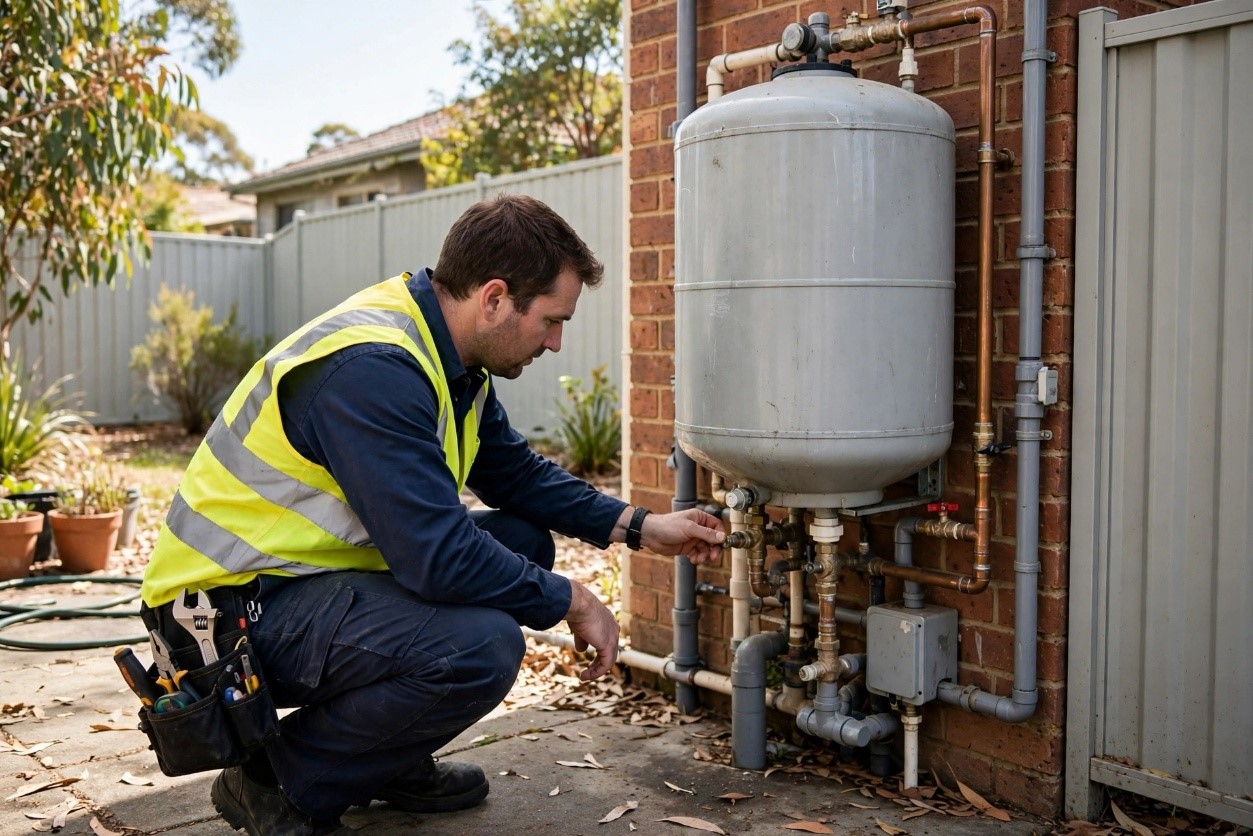
Since hot water systems run more or less year-round, small changes compound quickly. Lowering your storage tank's thermostat to around 60°C typically cuts energy use by 5–10% without affecting comfort or safety. Shorter showers and fixing dripping hot taps also add up over a year.
How Mr Handy helps
a leaking hot tap or an ageing hot water system running hotter than it needs to be a slow, invisible drain on your bill. Our team can inspect and repair your hot water system, fix leaking taps, and advise whether a repair or upgrade makes more financial sense.
3. Kill standby power
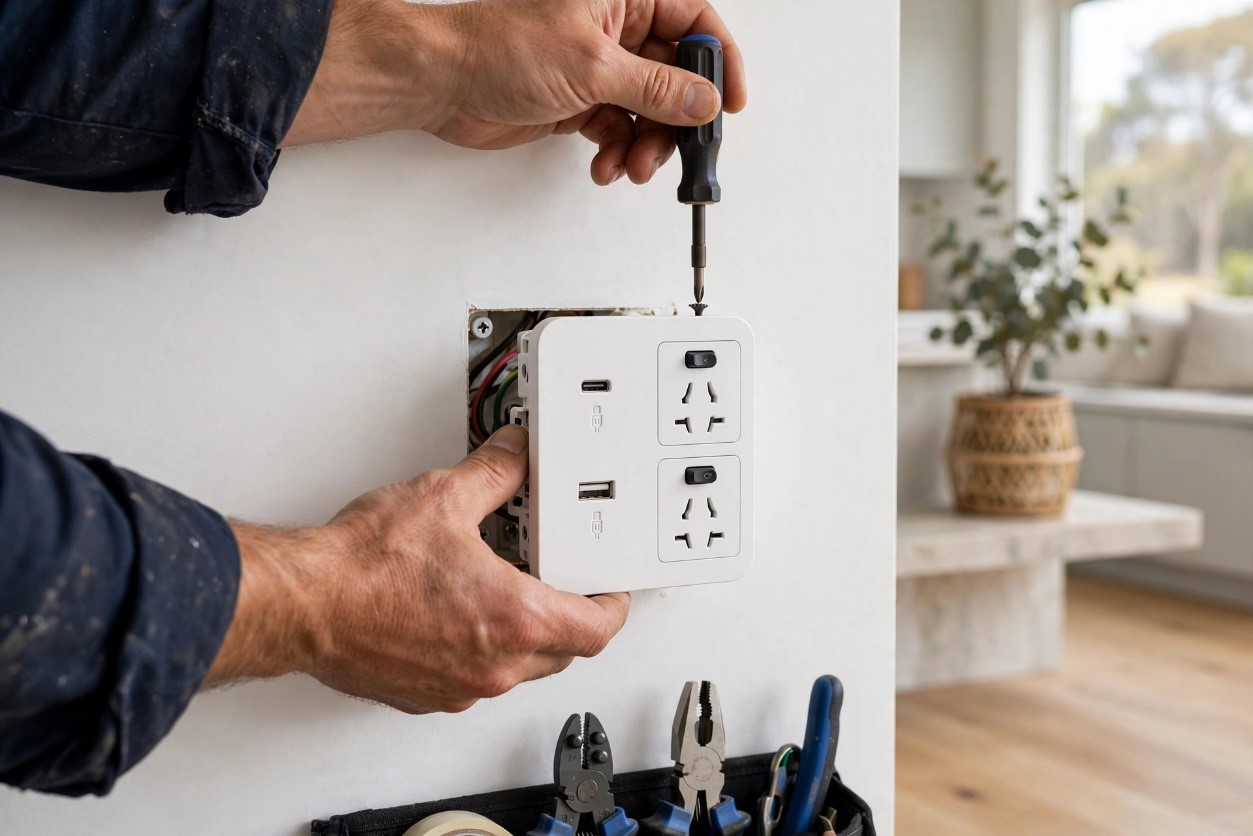
Devices left plugged in but "off" - TVs, routers, game consoles, microwaves are quietly draw 5 to 10% of your total electricity bill. A power board with a switch makes this an easy nightly habit rather than something you have to remember appliance by appliance.
How Mr Handy helps
for a more permanent fix than remembering to flick switches, our electricians can install smart power points and switched outlets throughout your home, making it effortless to cut standby power at the wall.
4. Wash smart, dry smart
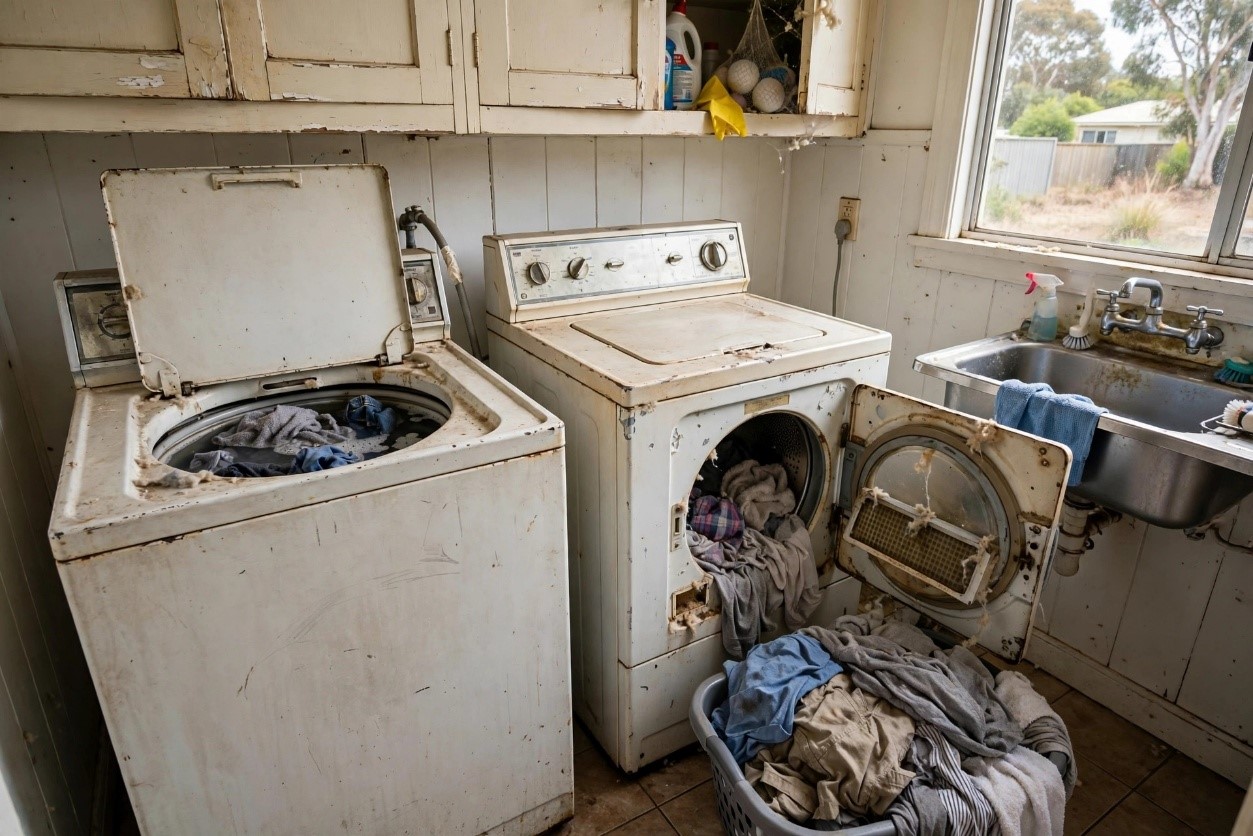
Switching your washing machine to a cold-water cycle can cut its energy use by around 80%, since most of the cost comes from heating water, not spinning the drum. Line-drying instead of using a dryer saves even more.
How Mr Handy helps
if your washing machine or dryer is old, noisy, or not performing like it used to, our appliance technicians can diagnose and repair laundry appliances before inefficiency starts costing you more than a repair would.
5. Check for hidden faults
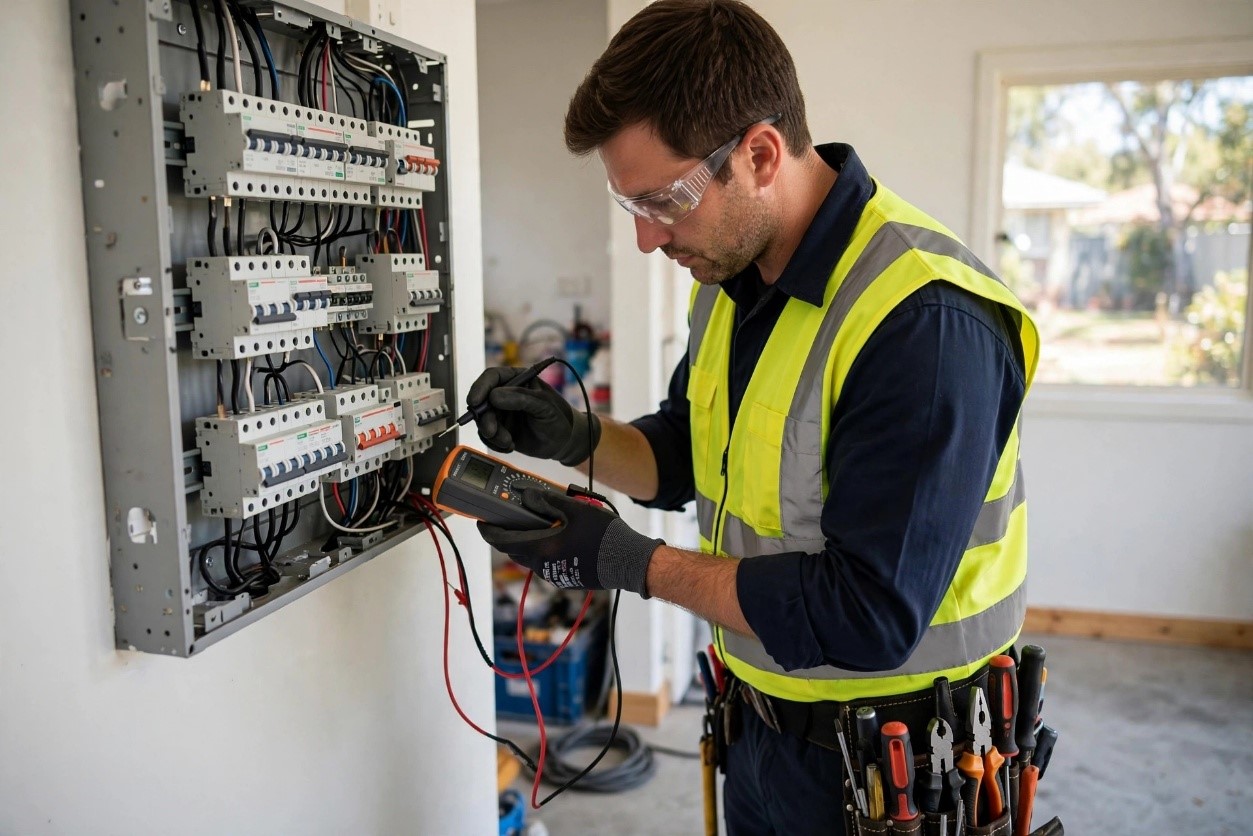
If your bill has crept up without any real change in habits, it's worth having a licensed electrician check for ageing or damaged wiring, frayed insulation and loose connections let electricity leak away before it even reaches your appliances, quietly inflating your usage every month.
How Mr Handy helps
this is exactly where our licensed electrical inspection and wiring repair service comes in we track down leakage, overheating connections, and fire-risk faults before they show up as a bigger bill or a bigger emergency.
Gas and Electricity: Why Dual-Fuel Homes Need Both Strategies
Most Australian households don't run on electricity alone. Gas and electricity work together for heating, cooking, and hot water in a huge number of homes, which means a savings plan focused on only one fuel leaves money on the table. If you've already tackled your electricity habits, the same logic applies to your gas bill: zone your heating so you're only warming rooms you're using, close doors to unused spaces, and set your thermostat to 18 to 20°C rather than pushing it higher out of habit.
How Mr Handy helps
our technicians can check gas heaters and gas hot water systems for efficiency issues during the same visit as an electrical or plumbing job, so electricity and gas problems get addressed together rather than in separate call-outs.
Daily supply charges are also worth checking, These fixed fees apply no matter how much gas you use, and can make up 20–40% of your total electricity and gas costs combined, meaning the plan you're on matters as much as your usage habits. Comparing electricity plans annually, rather than staying on a default rate, is consistently one of the highest-impact, lowest-effort ways to save.
Best Energy Saving Tips for the Whole Household
Pulling it together, the best energy saving tips aren't complicated — they're just consistent:
01
Set heating and cooling a few degrees closer to the outdoor temperature.
02
Lower your hot water thermostat to around 60°C.
03
Switch standby devices off at the wall each night.
04
Use cold washes and full loads whenever possible.
05
Compare energy plans yearly instead of defaulting to your current plan.
06
Get ageing or damaged wiring checked if your bill rises without explanation.
None of these require a full home renovation they're habit and maintenance changes that, stacked together, meaningfully answer the question of how to save on bills month after month, not just once.
When Usage Habits Aren't the Whole Story
Sometimes the issue isn't behaviour at all. It could be a fridge seal that's worn out, an air conditioner overdue for a service, or an electrical fault somewhere in the home.
This is where getting a professional set of eyes on the problem can help. Mr Handy's licensed tradespeople can inspect and fix these kinds of hidden issues, from inefficient appliances to faulty wiring, so your bill reflects what you're actually using rather than what's being wasted behind the scenes.
Sources
Amber Electric, Hot Water Usage Statistics Australia (Link Plumbing), IELTS Essay Bank (ABS-based energy pie chart data), iSelect, BillHero, Compare the Market, Dodo and Red Energy.
Frequently Asked Questions
Can't find your question below? Visit our full FAQ page for more on how Mr Handy works.